3728 Jinke Rd, Building 1, West Wing, Shanghai, China
info@tyligand.com

We have established three core in-house developed technology platforms, namely the T3LP Platform, the DATIA® Platform, and the Dual Payload Platform, which collectively form the foundation of our competitive advantage in small molecule and ADC development. These platforms form a strategic technology continuum, from addressing historically undruggable targets such as KRAS, to enhancing therapeutic potency through our DATIA® payload technology, and to pioneering combination mechanisms via our dual payload approach. This integrated platform framework enables us to compete effectively in the rapidly evolving ADC landscape while providing the flexibility to expand into emerging areas of precision oncology therapeutics.
T3LP (Tyligand Target Therapy Linker Payload Platform)
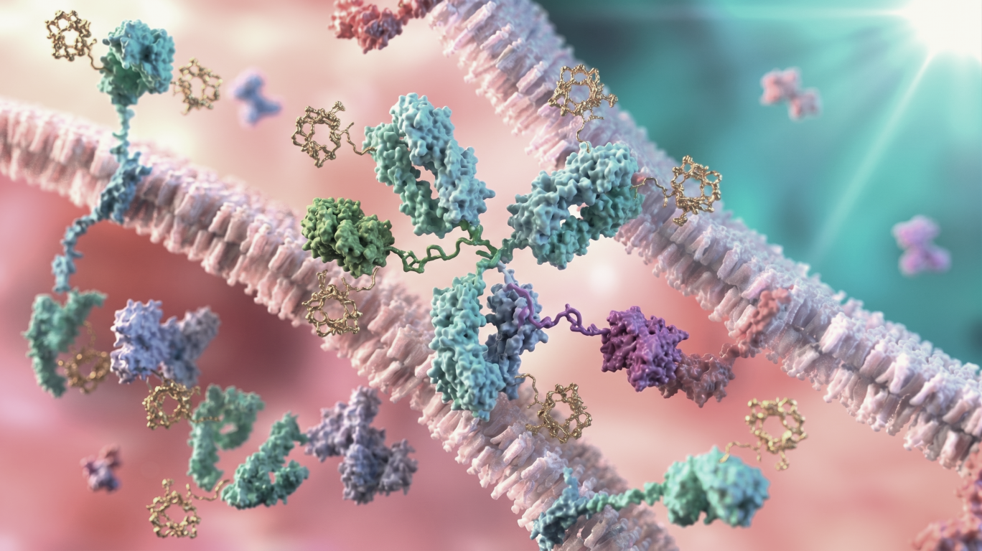
Tyligand Target Therapy Linker Payload Platform (“T3LP Platform”). Our T3LP platform features targeted drug payloads characterized by high selectivity, potent in vivo activity, low toxicity, and differentiated tumor half-life profiles. When incorporated into ADCs, these payloads enable dual or multiple vertical control of oncogenic signaling by simultaneously targeting cell surface receptors and intracellular signaling hubs, resulting in robust and sustained tumor growth inhibition. This chemo-free, ADC-based targeted therapy offers inherent safety and tolerability advantages and represents a precise, multi-dimensional approach to treat biomarker-defined tumors. The platform’s technical barriers center on optimized linker systems that can compensate for the relatively lower potency and hydrophilicity of targeted agents compared to traditional toxin payloads, thereby reducing ADC aggregation, improving plasma stability, and enhancing targeted delivery efficiency and in vivo efficacy.
DATIA® (Dual Action Tumor Immune Agonist)
While ICIs, exemplified by PD-(L)1 inhibitor-based therapies, represent the latest advances in recent years in cancer therapy, their clinical benefit has been confined to relieving immune suppression within the tumor microenvironment. In contrast, efforts to directly activate innate immunity and durably engage adaptive immune system have faced repeated setbacks related to efficacy, safety, and clinical translations.
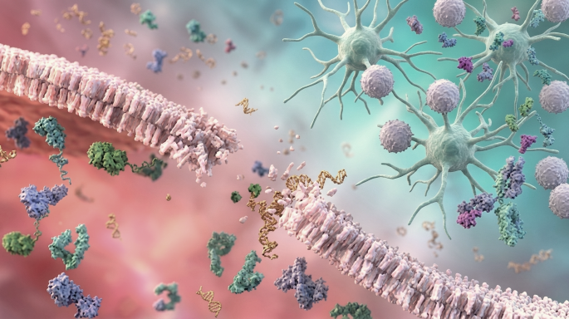
The DATIA® platform is our proprietary technology platform, adopting an immuno-oncology approach designed for broad solid tumor applications. It features efficient and precisely controllable drug release with dual-mechanism of action that enables synergistic immune activation and antitumor effects. Upon release, the DATIA® payload initially activates the STING pathway, driving robust interferon signaling and enhanced tumor antigen presentation. The payload is subsequently converted into a metabolite with cytotoxic activity, directly killing tumor cells and further amplifying immune priming-thereby effectively bridging innate and adaptive immunity. The platform’s molecular architecture is designed to optimize the balance between efficacy and safety. The unique chemical structures enable tightly controlled and sequential actions, resulting in short systemic exposure of the payload while maintaining prolonged exposure within tumor tissues. This temporal and spatial differentiation significantly widens the therapeutic window and underpins the improved safety profile of DATIA®-based ADCs.
Dual-payload Platform
The dual-payload platform is designed to overcome drug-resistant tumors through simultaneous release of two payload molecules with different mechanisms of action, distinct from the DATIA platform, which delivers sequential dual-functionality from a single payload molecule.
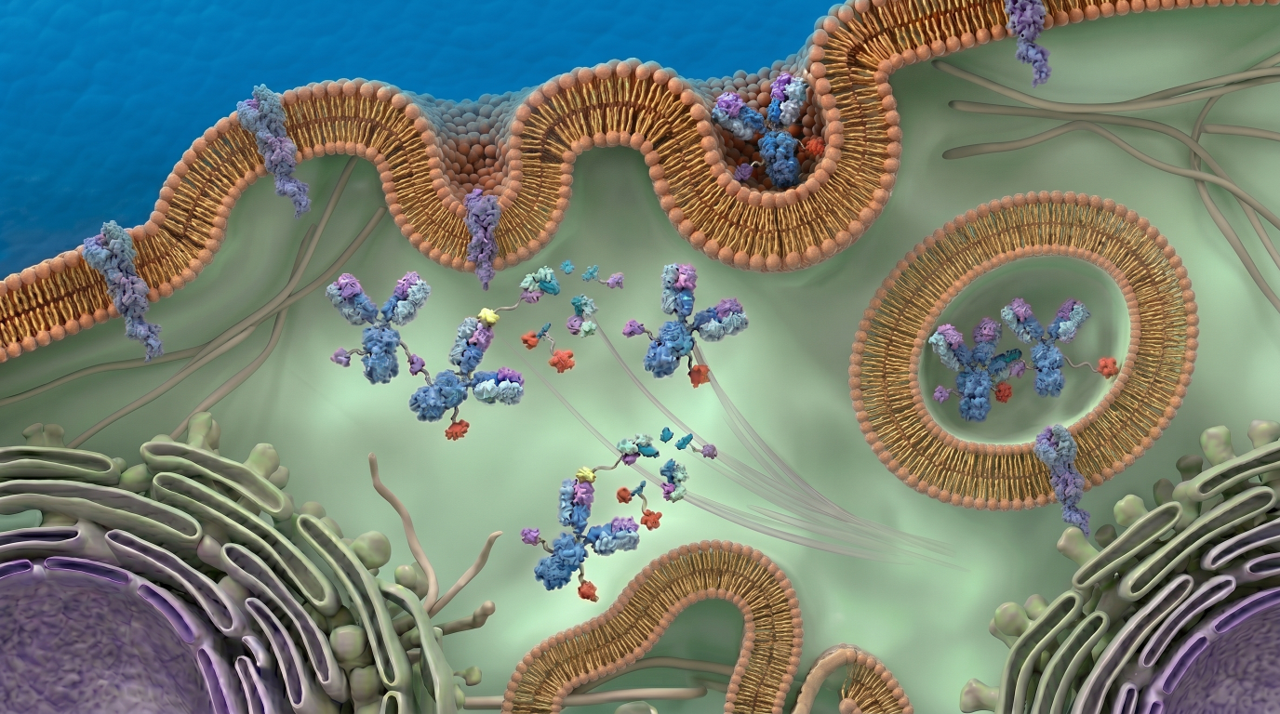
The platform’s technical barriers include the strategic selection of two synergistic payload combinations to achieve balanced, potent durable tumor suppression and management of physicochemical liabilities introduced by incorporating two hydrophobic payloads into a single ADC. We initiated development of this dual payload approach as early as 2021, making us one of the first companies to explore this approach in the ADC field. These efforts have resulted in substantial proprietary data, a deep knowledge base and a growing library of innovative molecular building blocks designed to address tumor initiation, progression, proliferation, metastasis, and resistance mechanisms. Our focus on combinations of non-cytotoxic and targeted payloads has overcome challenges related to payload conjugation efficiency, ADC stability, and solubility. In contrast to industry efforts that are largely at an early stage and primarily focused on dual-toxin combinations, our platform offers broader flexibility for collaboration with antibody innovation partners and has already generated multiple differentiated dual payload ADCs currently advancing through preclinical evaluation.